If you’re aiming to shake up your workout schedule, yoga is a pretty versatile option that’s worth checking out. No matter your fitness level or how packed your routine is, working yoga in can help with flexibility, strength, balance, and just feeling a little more at ease. The best part: You don’t need fancy gear or a special studio to get started. I’ll walk you through some practical ways to weave yoga into your fitness life, using simple tips and firsthand advice I’ve picked up along the way.
Why Yoga Fits Well With Other Types of Exercise
Yoga isn’t just about stretching or chilling out. When you blend yoga with things like running, lifting weights, or even team sports, you start to see a few pretty handy benefits. First, it gives your muscles a break from repetitive strain while still working on mobility and strength in a different way. Adding yoga can help with recovery, and it shows up in the way you move during other activities. For example, you might have an easier time squatting or turning sharply during a game.
Even just a couple of yoga sessions a week can make your joints feel less stiff and might cut down on those annoying aches after a tough workout. And if you ever feel burnt out from training super hard, a yoga day keeps you moving without overdoing it. Over time, you’ll probably also pick up on better posture and improved focus, translating to benefits in both your workouts and daily life.
Yoga also blends well with cardio routines. Because of its focus on breath and control, regular yoga practice may help boost your stamina and endurance. Some athletes notice they’re able to handle longer periods of effort, whether it’s a long run or a grueling HIIT workout, simply by having more body awareness and efficient movement patterns picked up through yoga.
Simple Ways to Start Adding Yoga
You don’t have to overhaul your whole fitness plan or swap out your favorite activities. Here are my favorite ways to get yoga working for you, one step at a time:
- Mix Yoga Into Your Warm-Up or Cooldown: Use basic yoga poses such as Downward Dog, Cat-Cow, or gentle lunges for about five to ten minutes to loosen up before or after your main workout. This is a great way to make yoga a habit without adding extra time to your day.
- Pick One Yoga Day a Week: Swap your usual rest or cardio day for a yoga session. Focus on longer holds and breathing to help with both recovery and flexibility.
- Try Short Yoga Sequences at Home: Find a quick 10-minute video or playlist. Morning or evening stretches can help you start or finish each day on a positive note, even if you work out later.
- Combine Yoga and Strength: Some flows, like power yoga or yoga with light weights, offer a balanced mix of flexibility and muscle work. These short, strength-focused sessions blend well with existing weight routines.
Understanding Basic Yoga Styles for Fitness
With so many yoga styles out there, picking one can get confusing. Here’s a quick rundown of a few that mesh nicely with other workouts:
- Hatha Yoga: Moves at a relaxed pace, with a focus on basic poses and mindful breathing. It’s really handy for gentle stretching or cooldowns.
- Vinyasa Yoga: Flows from one pose to the next, giving you both a stretch and light cardio. Pretty useful when you want to keep your heart rate up.
- Yin Yoga: Holds each stretch longer (sometimes up to five minutes), which helps with deep muscle recovery. I like this after heavy training days.
- Restorative Yoga: Uses props to fully support your body in each pose, allowing total relaxation. It’s my go-to choice for super restful recovery days.
Another accessible style is Kundalini yoga, which incorporates breathwork and rhythmic movement. It can sharpen your focus and leave you feeling energized, without being overly demanding on your muscles. If you’re into athletic cross-training, trying out these different styles can help you spot the one that works best for your specific recovery or training needs.
Step-by-Step: Adding Yoga to Your Week
Worried about fitting yoga into an already busy schedule? Here’s a plan I usually follow when helping friends get started. You can adjust as needed to fit your own training volume and goals.
- Look at Your Current Workout Plan: Notice when you feel tired, stiff, or sore. Mark those as potential spots for a yoga session or even a short stretch break.
- Pick Your Frequency: Start with once or twice a week. If you like it, bump it up to three.
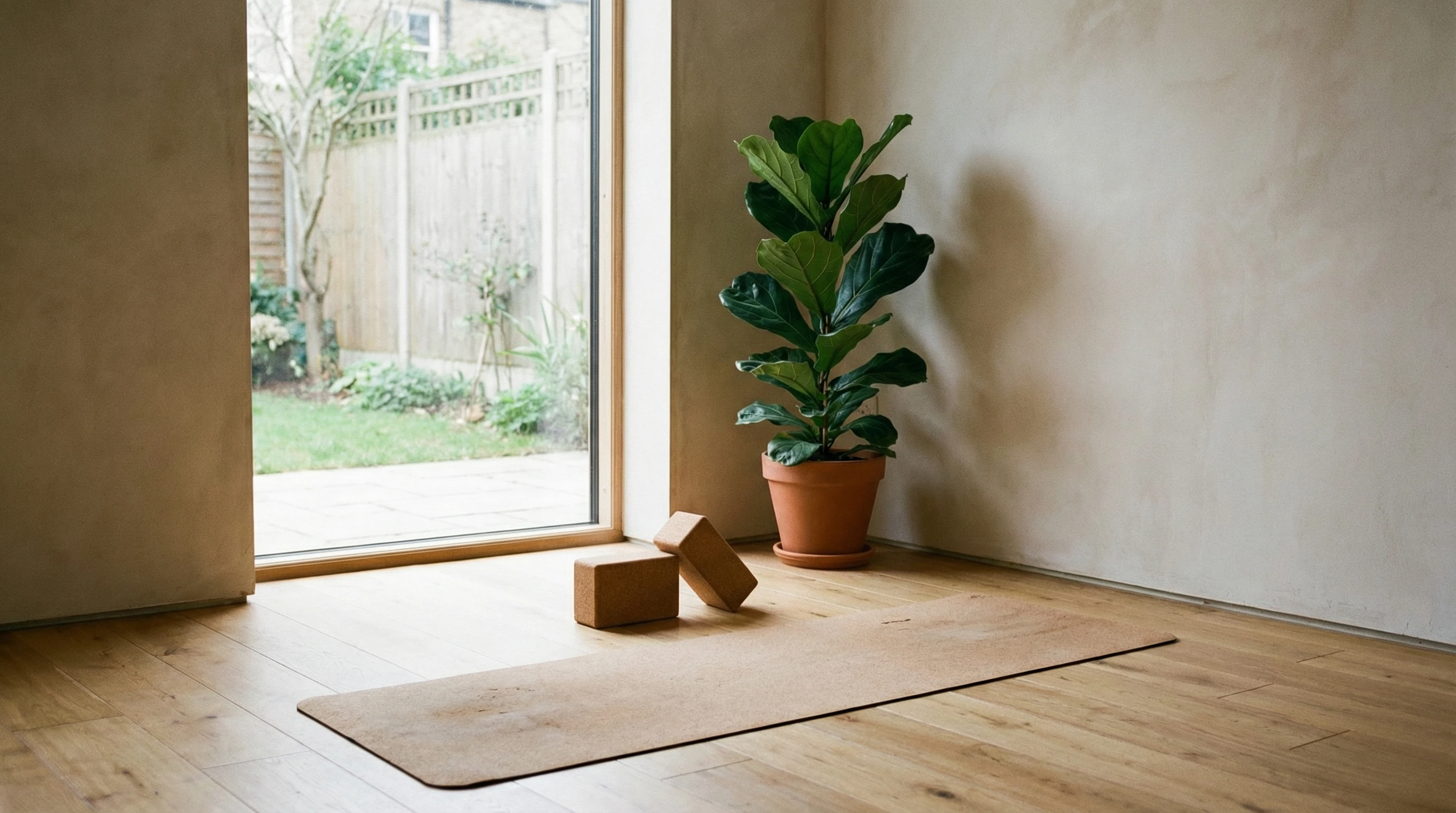
- Set Up a Simple Home Space: All you need is a nonslip mat, maybe a pillow or yogablock, and a little open space. No need for a fancy studio.
- Find the Right Guidance: I usually suggest checking out beginner yoga videos, apps, or podcasts. Search for reputable sources like Yoga With Adriene on YouTube or check reviews on yoga apps before you jump in. If you prefer in-person instruction, some local gyms offer beginner-friendly classes.
- Mix It Up: Try different times—like morning stretches or evening wind-downs—until you figure out when you’re most motivated to practice. You might find you prefer shorter sessions before bed to help clear your mind or a quick flow in the morning to get energized and centered for the day ahead.
Don’t be afraid to game plan your week and make small adjustments until you find the right balance. Consistency matters more than intensity, so focus on making it a comfortable part of your routine.
Things to Watch Out for When Incorporating Yoga
Just like with any fitness plan, yoga has some small challenges. I’ve run into these myself, so here’s what to keep in mind for a smoother start:
- Overstretching: Even though yoga should feel good, it can be easy to push too hard. Aim for a gentle stretch and stop if you feel sharp or pinching pain.
- Pacing Yourself: Trying advanced poses right away is tempting but they can lead to injury. Focus on basics before you tackle more challenging stuff.
- Fitting Yoga Around Other Workouts: Don’t double up on demanding sessions. For example, skip heavy power yoga on leg day. Use gentler yoga after big training sessions or events.
- Consistency: Results come from sticking with it, even if you’re only doing ten minutes here and there. Reminders—sticky notes, calendar alerts, or even keeping your mat out—make a big difference.
How to Avoid Overstretching
I learned the hard way that you can overdo it, especially when you first get started. Check in with your body every pose, and keep breathing. If you notice your breath getting shaky or holding your breath, that’s a sign to back off a bit. Slow transitions between poses also help protect muscles and joints, making your practice safer and more sustainable.
Fitting Yoga and Strength/HIIT Together
If you love highintensity workouts or heavy lifts, give yourself some time between hard sessions and yoga. Gentle flows on rest days feel great and give your muscles a chance to unload some tension.
For people who alternate between hard gym days and lighter recovery sessions, yoga can fill that recovery role perfectly. Listen to your body—if you’re sore from a tough workout, opt for gentle stretching and restorative poses instead of pushing yourself into deep holds or complex flows.
Handy Yoga Gear for Beginners
For starting out, you really don’t need a lot of stuff. Here’s my list of lowcost, practical options:
- Nonslip Yoga Mat: Keeps your hands and feet in place, especially during longer holds or when you get sweaty. Look for a medium thickness for decent support. If you’re practicing on carpet, even a basic mat will work.
- Yogablocks: Help with balance and make poses easier to modify as you stretch further. You can even use books or sturdy household items in place of official blocks.
- Yogastrap or Belt: Useful for reaching in deep stretches. I often use a regular belt in a pinch.
- Comfortable Clothes: Look for stretchy fabrics that don’t get in your way. Old gym clothes work fine in most cases.
If you see yourself practicing a lot, a small investment in a mat and blocks can really make the experience better. Some folks like scented candles, low lights, or music to set the mood, but that’s more about personal taste. Over time, you might add a bolster, blanket, or yoga towel, which can all help you relax and get more out of your session.
Advanced Tips for Combining Yoga and Fitness
After you settle into the basics, here’s how to keep taking up a notch your combined routine:
Use Yoga for Prehab: Add hip, spine, and shoulder stretches to avoid tightness or minor tweaks in your main workouts. I do this before big lifts or running days. Consistently using yoga as a prehab tool reduces injury risk and keeps you moving freely.
Match Styles to Your Goals: Recovery days? Choose Yin or Restorative. Need a cardio boost? Go for Vinyasa or power yoga. Even within the same week, you can switch up styles to match how you feel physically and mentally.
Go Deeper Into Mindfulness: Try adding meditation or simple breathwork to your yoga. It can spill over into your everyday workouts, making you less likely to lose focus under pressure. Over time, you might notice less stress and more clarity, both in and out of the gym.
Track Your Progress, Not Just Flexibility: Notice improvements in how you move, how fast you recover, or even how you handle stress outside the gym. Progress isn’t only about pose depth—sometimes, it’s about feeling more grounded and present during your activities.
Regular Questions About Yoga and Fitness Routines
Here’s what folks often ask when they want to give yoga a real shot alongside other workouts:
Question: How often should I practice yoga if I’m already working out 3-5 times a week?
Answer: Squeezing in one or two sessions makes a noticeable difference for most people. You can always increase as you get more comfortable.
Question: Can I use yoga as my only rest day activity?
Answer: Yes. Gentle or restorative yoga helps with recovery. Just watch out for any sore spots or fatigue, and adjust intensity as needed.
Question: Which is better for building strength, yoga or weights?
Answer: Both have their perks. Yoga builds up stabilizer muscles and balance, while weights add muscle size and raw strength. Combining both covers a lot of bases.
Why Sticking With Yoga Pays Off
Adding yoga to your workout routine goes way past just touching your toes. You start to notice better balance, improved range of motion, and maybe even a quicker bounce back after workouts. For me, it’s become a builtin pause button—some time to move, breathe, and shake off tension on busy days.
Building a sustainable fitness routine is about mixing things you enjoy and finding ways to help your body recover and adapt. Even a few minutes of yoga here and there counts. The trick is to experiment, stay curious, and listen to your body as you slot yoga into the rest of your fitness plan.
Wrapping up, yoga is much more than just a sidekick to your current workout—it has the power to transform how you move, recover, and handle day-to-day stress. Keep playing with different styles and routines, and you’ll find a blend that makes every session more rewarding. Whether you’re a seasoned athlete or just getting moving, yoga is a flexible, practical tool that’s always ready to give your body and mind a well-deserved boost.