Getting a good night’s sleep can feel pretty tough sometimes, especially if your mind just won’t switch off or your environment isn’t exactly cozy. I’m always looking for ways to improve my own sleep and have picked up quite a few tricks that actually make a difference. Sleep quality isn’t just about the number of hours; it’s also about how restful and refreshing those hours feel. Here, I’m sharing practical ways you can boost your sleep quality, drawn from my own experiences, reliable research, and advice from sleep experts.
Why Good Sleep Quality Matters
Sleep plays a big role in how I feel during the day. When I haven’t slept well, my energy plummets, my mood gets shaky, and simple tasks can feel a lot harder. Most adults need between 7 to 9 hours of sleep, but quantity isn’t everything. Quality matters just as much. Interrupted sleep or spending too much time tossing and turning can make you feel groggy, even after a full eight hours in bed. Improved sleep quality is linked to better focus, a stronger immune system, and more balanced emotions. According to the Centers for Disease Control and Prevention (CDC), poor sleep can even affect heart health and increase the risk of chronic illnesses. So dialing in your sleep environment and habits can go a long way for your well-being (source).
Creating the Ideal Sleep Environment
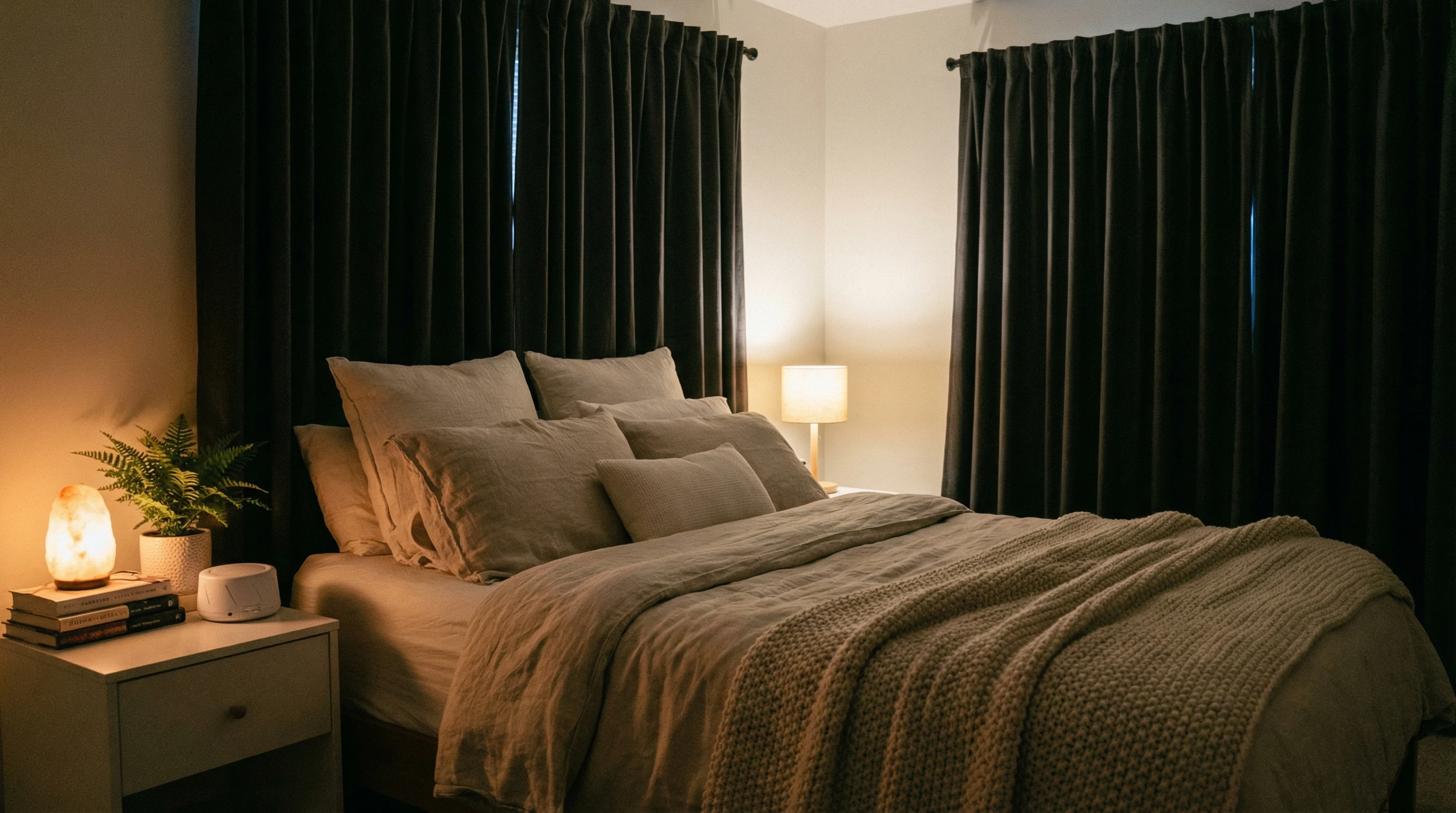
Your sleep space makes a huge difference in how quickly you fall asleep and how well you stay asleep. Here’s what I focus on to make my bedroom a true sleep zone:
- Keep it cool: A temperature around 60 to 67°F (15 to 19°C) seems to work best for most people. I use a fan in the summer and a cozy blanket in the winter.
- Block out light: I’ve found blackout curtains super useful for keeping out early morning or street lights. A sleep mask works too if you’re traveling.
- Cut down noise: White noise machines or even a simple fan can mask disruptive sounds. Earplugs are a pretty handy solution for louder environments.
- Choose comfy bedding: Investing in a comfortable mattress and pillows that suit your sleep position can transform your rest.
- Limit screens: Bright screens trick your brain into thinking it’s daytime. I keep my phone away from my bed and stick to reading a physical book just before sleep.
Sleep Hygiene: Habits for Better Rest
Adopting a few good habits around bedtime, sometimes called “sleep hygiene,” can really change how well you sleep. Here are the routines that work best for me:
- Keep a regular schedule: I try to go to bed and wake up at the same time every day, even on weekends. It helps set my body’s internal clock.
- Avoid caffeine late in the day: Coffee or energy drinks in the afternoon can stay in your system longer than you expect. I stick to water or herbal tea after 2 pm.
- Wind down steadily: A wind down routine signals to your body that it’s almost time to sleep. I dim the lights, stretch a bit, and do some breathing exercises.
- Limit naps: Napping is fine, but I keep it under 30 minutes and not too late in the day.
Addressing Common Sleep Challenges
If you’re struggling with poor sleep, you’re definitely not the only one. Here are some of the most common problems I’ve faced, plus practical ways to tackle them:
- Waking up in the night: When this happens, I resist checking my phone. Instead, I practice slow, deep breathing or listen to soft background sounds.
- Having trouble falling asleep: If my mind is racing, I write down my thoughts on a notepad and remind myself I can tackle them in the morning.
- Stress or anxiety: Meditation, progressive muscle relaxation, or even gentle yoga routines are pretty effective for calming my mind before bedtime.
Understanding Blue Light and Sleep
I used to scroll through my phone right before bed and then wonder why I couldn’t drift off. Blue light from screens can suppress melatonin, a hormone that helps you feel sleepy. These days, I try to avoid bright screens for at least 30 minutes before bed. There are also apps and settings that filter blue light, which can be handy if you have to use your device late at night. Additionally, dimming the brightness earlier in the evening has made a noticeable difference for me.
The Role of Diet and Exercise
What and when I eat affects my sleep. Heavy meals or spicy foods too close to bedtime make my body work harder, which sometimes keeps me awake. I stick to lighter snacks if I’m hungry late at night; something like a banana with peanut butter works well and doesn’t cause too much digestive activity. Warm herbal tea is soothing, too.
Regular exercise, such as walking, cycling, or stretching, helps me sleep more deeply. I just make sure to finish workouts a few hours before bedtime because working out too late sometimes leaves me feeling wired. Even low intensity activities like yoga or gentle stretching before bed can help you relax and get ready for sleep without getting you too revved up.
Step by Step Guide to Sleeping Better
Improving sleep quality can take a little time and some trial and error. Here’s a straightforward guide for making changes that really help:
- Set a chill bedtime routine: Turn off electronics, dim your lights, and do something relaxing an hour before bed. A warm bath or listening to calm music helps, too.
- Optimize your bedroom: Use blackout curtains, set your thermostat, and tidy up your sleeping space so it feels clutter free and inviting.
- Stick to a schedule: Try to sleep and wake up at the same time each day. Consistency helps a lot and your body will get used to this pattern.
- Limit caffeine and alcohol: Both can mess with your sleep cycles, so keep them to a minimum, especially in the evening.
- Track your sleep: I tried using a sleep tracker for a week to notice patterns and make adjustments. Even just jotting notes in a journal can help you see what improves your rest. It’s interesting to see what habits pay off.
Things to Think About: When Sleep Still Feels Out of Reach
Sometimes, good habits and a cozy bedroom aren’t enough. There are situations where it makes sense to ask for help or try something new. I’ve learned:
- See a doctor if needed: Ongoing sleep trouble might be a sign of issues like sleep apnea or insomnia. Talking to a healthcare professional can help get to the root of things.
- Check your medications: Some medicines can cause sleeplessness. If you’ve started a new medication and noticed sleep issues, ask your doctor or pharmacist about side effects.
- Try natural supplements cautiously: Melatonin or magnesium supplements can help some people, but I always do my own research first and start with small amounts. It’s best to talk with a healthcare provider if you’re unsure.
Travel, Shift Work, and Sleep Challenges
I’ve had to adjust to new time zones and different work hours before. Adjusting is possible, but it takes planning. Gradually changing sleep and wake times in the days leading up to a switch helps your body adapt. Bringing familiar items like your pillow or a favorite blanket can make an unfamiliar place feel more restful. Keeping some routines intact, like reading before bed or using the same sleep sounds, can help signal to your body that it’s sleep time, even in a new environment.
Helpful Tools and Products for Better Sleep
Some gadgets and items have had a big impact on my sleep setup and nighttime routine. Here are a few I think are worth checking out:
- White noise machines: Great for drowning out background sounds, especially in noisy neighborhoods or when traveling.
- Smart light bulbs: These can dim gradually or shift to a warmer color as you get closer to bedtime, which supports your body’s natural wind down process.
- Weighted blankets: The gentle pressure is calming and, for me, brings a comforting sense of security. Many people say they fall asleep faster under one.
- Aromatherapy: A few drops of lavender essential oil in a diffuser can make the bedroom feel like a mini spa. Other soothing scents include chamomile and sandalwood.
Additionally, eye masks, comfortable earplugs, and even cooling pillows are worth a try if you struggle with bright lights, noise, or temperature regulation. You don’t have to buy everything at once; sometimes small upgrades have an outsized effect on comfort and quality, making sleep a little smoother.
Frequently Asked Questions
You’re not alone if you have a lot of questions about sleep. Here are some that I’ve asked and answered over the years:
Question: How much sleep do I really need?
Answer: Most adults do best with seven to nine hours, but quality trumps quantity. Waking up refreshed and alert is a good sign you’re getting what you need.
Question: What should I do if I wake up and can’t fall back asleep?
Answer: Don’t stay in bed tossing and turning. Get up, read something calm in low light, then try lying down again when you’re sleepy.
Question: Are naps good or bad for sleep?
Answer: Naps can help if you’re short on sleep, but long naps or naps too late in the day can make it harder to fall asleep at bedtime. I keep mine to around 20 minutes, early in the afternoon.
Question: Do sleep trackers really help?
Answer: Sleep trackers can give you insight into your sleep habits and patterns, but they’re not always perfectly accurate. I use them as a guide, not a rule. Don’t stress if the data isn’t perfect; focus on how you feel day to day.
Keys to Improving Your Sleep Quality
No single fix works for everyone, but building a solid routine and optimizing your environment are steps that actually make sleep more satisfying and restorative. I’ve found that tracking my own sleep, making my bedroom cozy and calm, setting up an easy bedtime routine, and paying attention to meals and drinks all contribute to better rest.
Sleep is personal. What works for you may look a little different from what works for me. Small changes and persistence usually add up over time, and restful nights get a lot more common. Here’s to better sleep and brighter mornings for all of us!