Active learning has become something I’m really passionate about in my own teaching adventure. It’s not about students passively listening or memorizing by rote anymore; it’s more about real engagement, hands-on experiences, and building true understanding. If you’re hoping to spark curiosity and get your students involved, you’ll find these ten teaching strategies can make a real difference in any classroom.
Why Active Learning Matters Right Now
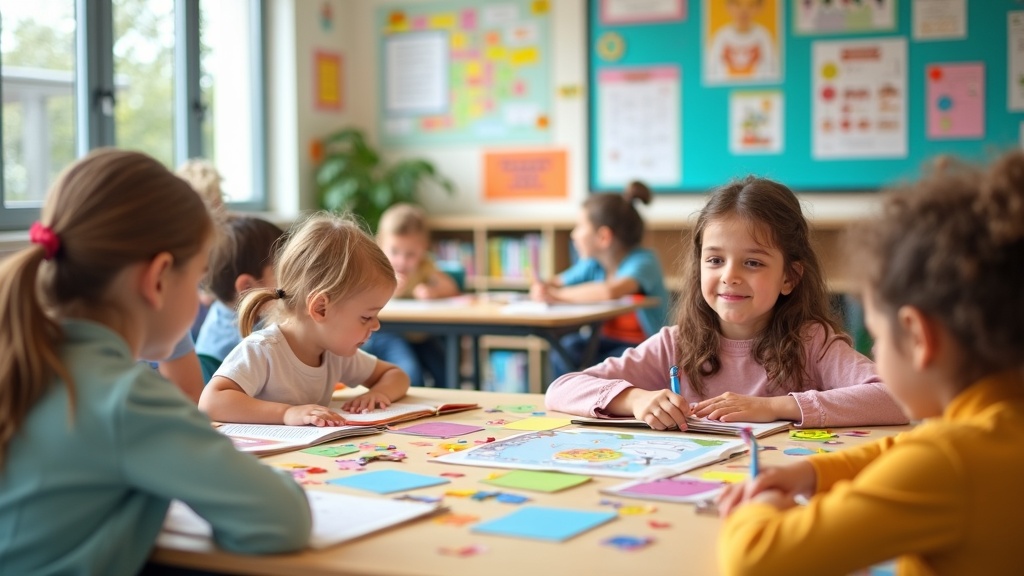
Active learning turns traditional teaching on its head. Instead of asking students to sit and absorb information, it gets them out of their seats, solving problems, asking questions, discussing with peers, or building something meaningful. Years of research (like the Freeman et al., 2014 study) back up this approach, showing that students not only retain more but also get better at thinking critically and working with others.
I’ve noticed students who get more chances to actively participate also tend to ask deeper questions and make connections that stick. It’s not just about fun; it’s about building lasting skills that can benefit them well beyond the classroom.
Another important point is that active learning strategies can make the classroom a more inclusive space. When everyone has a role or chance to contribute, students who might not speak up during a lecture often find ways to share their ideas. Over time, this sense of belonging boosts confidence and academic growth.
Getting Started with Active Learning Strategies
Jumping into active learning works best if you prep your students for what’s coming. Sometimes, switching from lectures to more interactive work can throw students off, especially if they’re used to more traditional routines. Outlining what you’re doing and why helps a lot. I usually explain the value of collaboration and encourage students to take risks. Creating a safe space where trying new things is celebrated makes it much easier for everyone to participate.
- Clear Instructions: Break down activities step by step and set group expectations.
- Consistent Routines: Start with short, low-pressure activities to build confidence.
- Reflection Time: Give students a moment after activities to process and share observations.
Introducing a new strategy can feel intimidating but beginning with familiar content or simple setups usually helps students adjust. You might start a lesson by explaining that mistakes are part of the process and everyone is expected to contribute in their own way. When students see their ideas respected, they’re more likely to jump in and try future activities.
10 Teaching Strategies That Promote Active Learning
These are some of my favorite strategies. Each one is pretty handy for blending into any subject or grade level. Mixing several of them keeps things fresh and gives every student a chance to shine.
- ThinkPairShare: I love this for breaking the ice. Pose a question, give students some thinking time, then pair up for quick discussions before sharing with the group. It’s simple but super effective.
- Exit Tickets: Before students leave, I hand out a slip for them to answer a question about the lesson. It lets me check understanding in a low-pressure way and helps guide the next lesson.
- Gallery Walks: Students post their work around the room, and then everyone walks around, leaving feedback or taking notes. It makes peer evaluation fun, and students take pride in what they share.
- Jigsaw: Divide big topics into chunks, and let each group become “experts” on their piece. Then, groups mix up and teach each other. This spreads responsibility and boosts participation.
- Role Play: Getting into characters or acting out historical events helps students step into other perspectives. I’ve seen even shy students get into it once they see it’s part of class culture.
- ProblemBased Learning (PBL): Present a messy, real-world problem and have groups explore solutions. It pushes students to ask questions and try different approaches. I usually give just enough structure to keep them on track.
- Stations or Centers: Set up several activity spots, like a puzzle, a hands-on experiment, a reading corner, or a mini quiz. Small groups rotate, so each student tries everything. Great for breaking up long lessons.
- Case Studies: I bring in scenarios from real life or news stories, and students debate solutions. They learn to connect ideas from the syllabus to what’s actually happening in the world.
- Peer Teaching: Sometimes, students can explain things to each other better than I can! Assign topics for small groups to teach back to the class. It boosts confidence and makes students pay close attention.
- Concept Mapping: Drawing diagrams to connect ideas is a huge help. I use big chart paper or digital tools, and get students working together to visualize how topics link up.
Mixing up these approaches over a semester keeps learning unpredictable and exciting. Students tend to look forward to what’s next, enjoying both structured routines and surprises.
Choosing the Right Strategies for Your Classroom
Active learning isn’t about doing everything at once; it’s about choosing a few approaches that feel natural to you and your students. Here’s what I keep in mind when picking strategies:
- Student Readiness: Sometimes an activity is too complex right away, so starting small is usually smoother.
- Available Time: Some strategies, like PBL, need several lessons, while ThinkPairShare fits into a few minutes.
- Learning Objectives: I match the method to the skill—case studies for critical thinking, stations for varied skills, and so on.
Having a few backup plans is super useful. Flexibility is key, especially if a group is quieter or unexpected challenges pop up. I also try to check in with students after initial tries, asking what they liked or what felt confusing. This ongoing feedback loop helps me fine-tune my approach.
Common Challenges (and How I Handle Them)
Putting active learning strategies into practice does come with a few bumps. Some students might not be comfortable right away, or group work can get off track. I’ve found these tweaks help a lot:
- Clear Roles: Assigning responsibilities (timekeeper, notetaker, spokesperson) helps keep groups focused.
- Scaffold Activities: Offering sentence starters, graphic organizers, or checklists supports students who need extra guidance.
- Frequent CheckIns: Walking around the room lets me answer student questions without interrupting momentum.
Encouraging Reluctant Participants
Some students take a bit longer to join in. I always try smaller group work first, and I make sure everyone gets positive feedback—even for tiny steps forward. Over time, students usually start to see that their voices matter. Sometimes inviting students to reflect in writing before sharing out loud helps them gather confidence before speaking to the group.
Managing Time
Honestly, it’s easy for activities to run over. I’ve learned to set clear time limits and use timers when needed. If we don’t finish, I pick up where we left off next time. Staying relaxed really helps everyone enjoy the process instead of rushing through. Prioritizing quality of conversation over quantity sometimes means a lesson takes more than one class, but the depth of understanding is worth it.
Tips for Teachers Wanting to Go Further
Once you’re comfortable with active learning basics, there are cool ways to take things up a notch:
Use Tech Tools: Platforms like Padlet, Google Jamboard, or Kahoot! can get kids working together, even remotely.
Connect Across Subjects: Try combining science with writing, or history with art projects. Students start to see bigpicture connections.
Bring in Student Choice: Let students help pick activity topics or formats. Choice boosts motivation in a big way, and can dig into student interests and strengths.
Reflect as a Class: Wrap up by having students share what worked or was tricky. Adjusting based on their feedback makes each lesson better. Regular reflection turns students into partners in the classroom process, making an allinone learning environment.
Additionally, sharing your own learning journey with students models openness to growth. Celebrate small wins and show how trying new ideas, even if they flop, is a normal part of learning for everyone—including teachers.
Real-World Impact of Active Learning Strategies
Active learning isn’t just about boosting test scores. I’ve seen students develop social skills, curiosity, and independence. Teachers who’ve moved to more interactive classrooms notice students coming out of their shells, collaborating better, and showing more excitement for learning.
- Group Projects: Students often remember these activities far longer than worksheets or lectures. They talk about the things they built together or the debates they had years after the class ends.
- Peer Teaching: Struggling students sometimes learn faster from classmates, and it gives those doing the teaching an ownership over their learning.
- Hands-on Practice: Abstract concepts become way clearer when students use them in real projects.
If you’re looking to dig deeper, there are great resources over at Edutopia and Cult of Pedagogy with even more practical examples. You can also connect with teacher communities online to share your successes and troubleshoot challenges.
Parents often comment that their children start talking about classwork enthusiastically at home, eager to share what they tried or built that day. In this way, active learning strategies ripple out beyond the classroom, encouraging lifelong learning habits.
Frequently Asked Questions
Here are some common questions about active learning that I get from other teachers and colleagues:
Question: How do I get started if I’ve never done active learning before?
Answer: Pick one or two simple activities, like Exit Tickets or ThinkPairShare. Build up as you see what works for your group. Keeping things low-pressure makes a huge difference.
Question: What if I have a large class?
Answer: Use strategies like stations or gallery walks that break the class into smaller groups. Assign clear roles so everyone participates.
Question: Do I need special equipment?
Answer: Most strategies just use basic classroom materials such as paper, markers, and sticky notes. For tech activities, free apps and online platforms are usually enough.
Wrapping Up: Bringing Active Learning to Life
Shifting to active learning strategies feels pretty rewarding as time passes. Students get more involved, and classroom energy really jumps up. You don’t need a total overhaul; just a few small changes can make lessons more memorable and, honestly, more fun for everyone. If you’re ready to watch your students become more involved and excited for learning, these strategies are definitely worth checking out. Jump in, experiment, and notice what sparks curiosity in your classroom—the small steps you take today can set the foundation for an allinone and inspiring student adventure.